“Accept lostness forever,” so said the writer Jack Kerouac shedding Buddhist wisdom. Comedian, actor, director Billy Crystal could take a note. His new show, Billy Crystal: 860, is about loss—more Jewish, humanist, and funny.
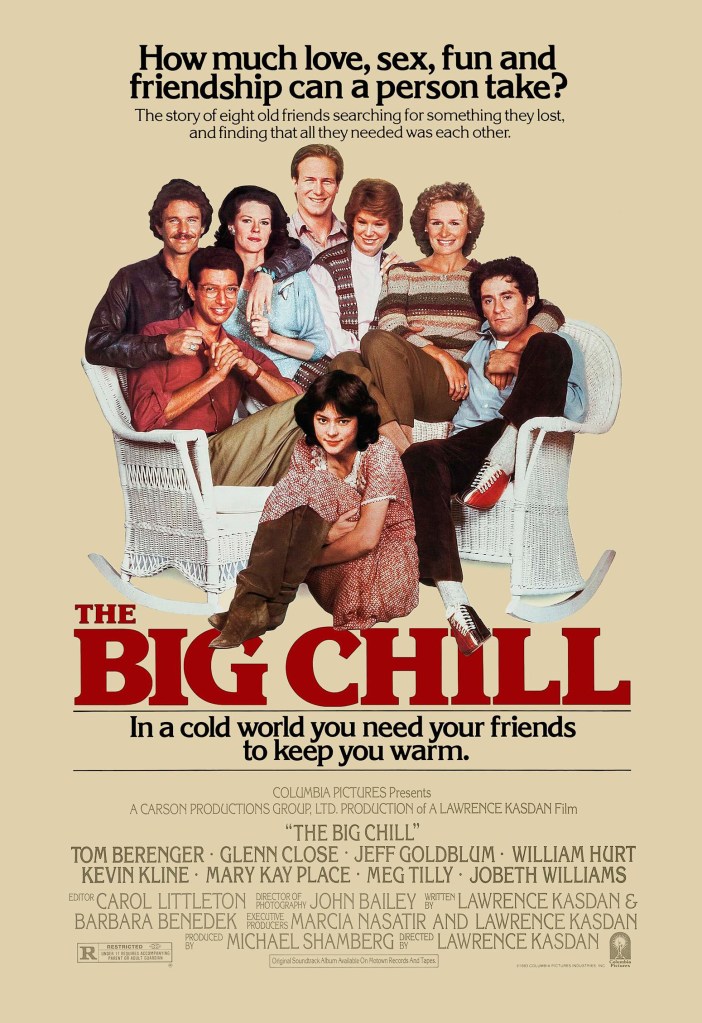
Even if you didn’t remember that his was one of the many Pacific Palisades homes lost in the 2025 fires, you empathize with his losses—the house at 860 Chautauqua Blvd. with all his tchotchkes and totems being just the most material. Far more emotional are the people: Robin Williams, Mohammed Ali, George Steinbrenner, to start that list. He revisits Norman Lear at age 100 to thank him for the introduction to Rob Reiner, who cast Crystal in the iconic hits: Princess Bride, When Harry Met Sally: yes, I’ll have what she’s having, especially if it is Billy Crystal.
Painful as these losses are—especially the unthinkably tragic—Billy Crystal milks the laughs as he limns his foibles, frailties, devoted friendships and family, which is why 860 works so well. His proverbial Memory Lane is ours. Opening night, the Imperial Theater was chockablock with Broadway elite, NYC A-listers, pals who flew in from L. A. to celebrate with Billy Crystal: Nathan Lane, Matthew Broderick, Carol Kane, Spike Lee, Victor Garber, Robert DeNiro, Steve Martin, Rose Byrne, Kelli O’Hara, among them.
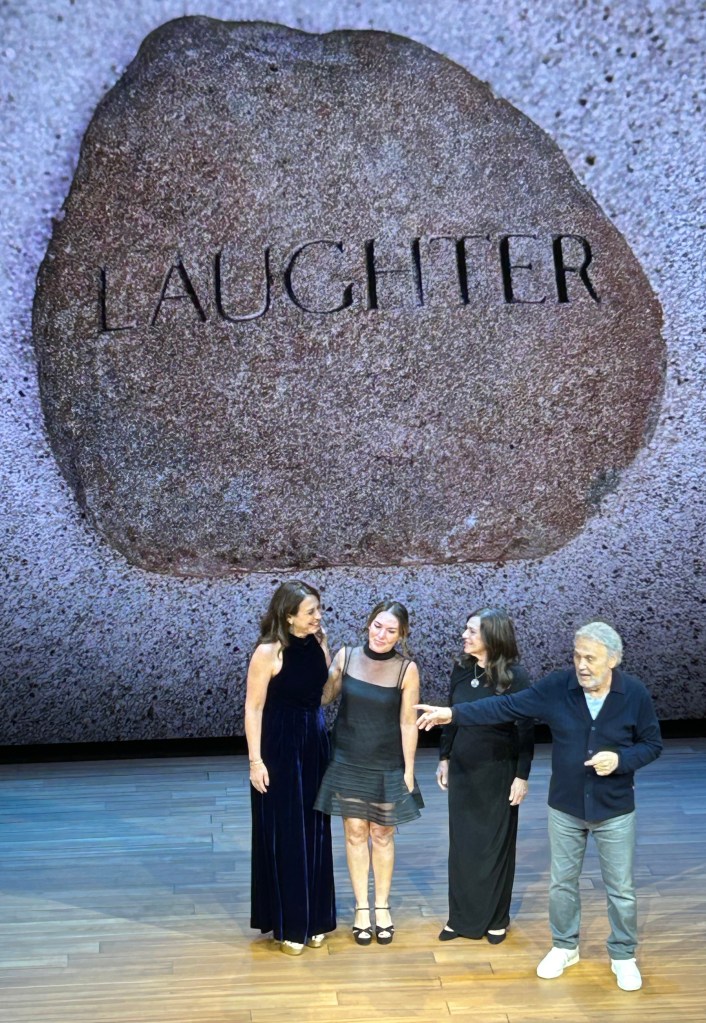
While 860 is a one-man show, directed by Scott Ellis, set in his home office, beautifully designed by Scott Pask, with music by Marc Shaiman, Billy Crystal’s wife Janice and daughters Erin and Lindsay joined Crystal onstage for final bows. Whatever your faith, his message on accepting loss is simple: embrace those who matter—and laugh.